Interview
Willy Chavarria : “I want to tell the story of a truly egalitarian society”


Post published on 02/13/2026
In just a few seasons, the American designer has become the new figurehead of a galvanising fashion movement reconciling the elegance of clothing with political advocacy. Meet a designer-narrator redefining the might of men’s wardrobes.
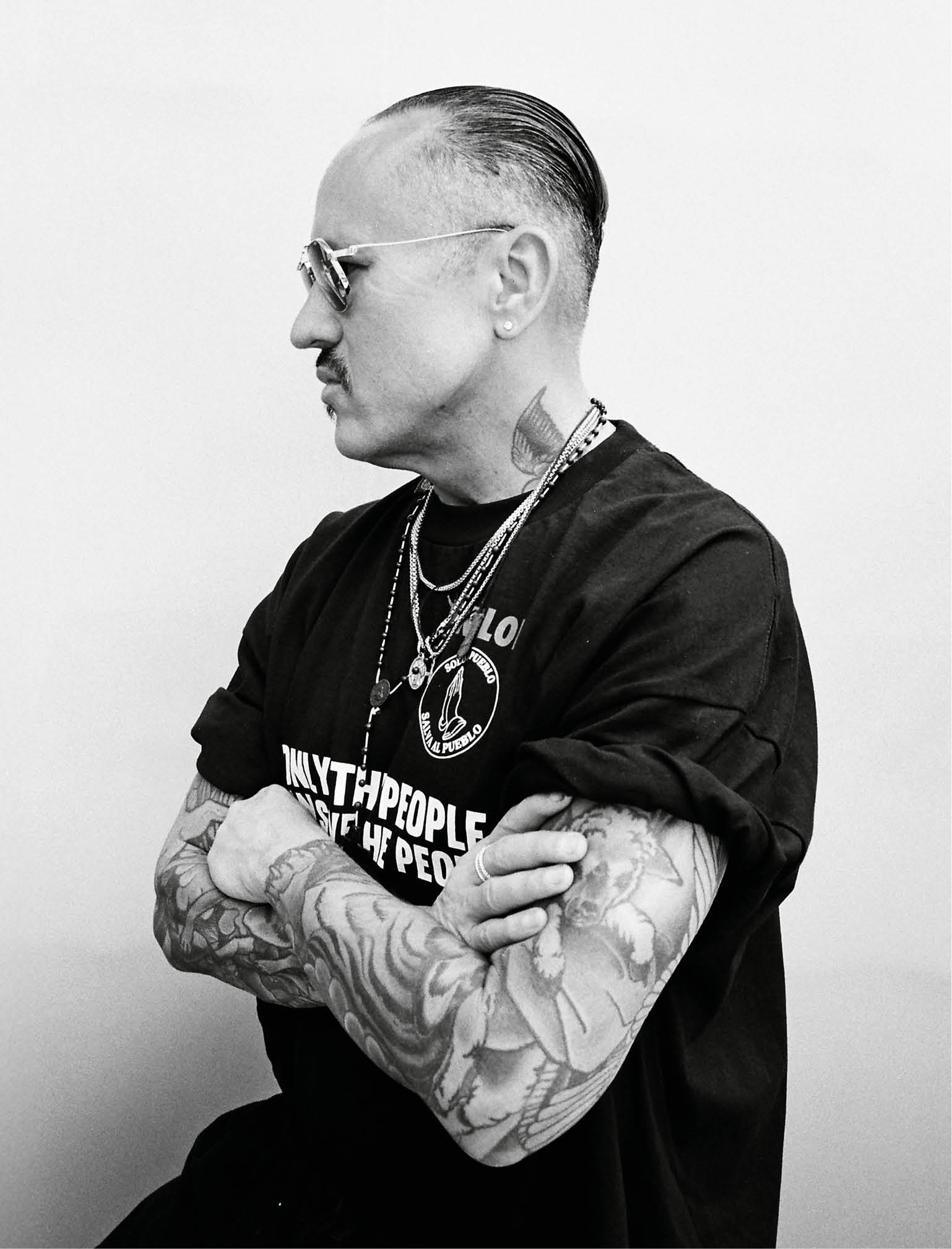
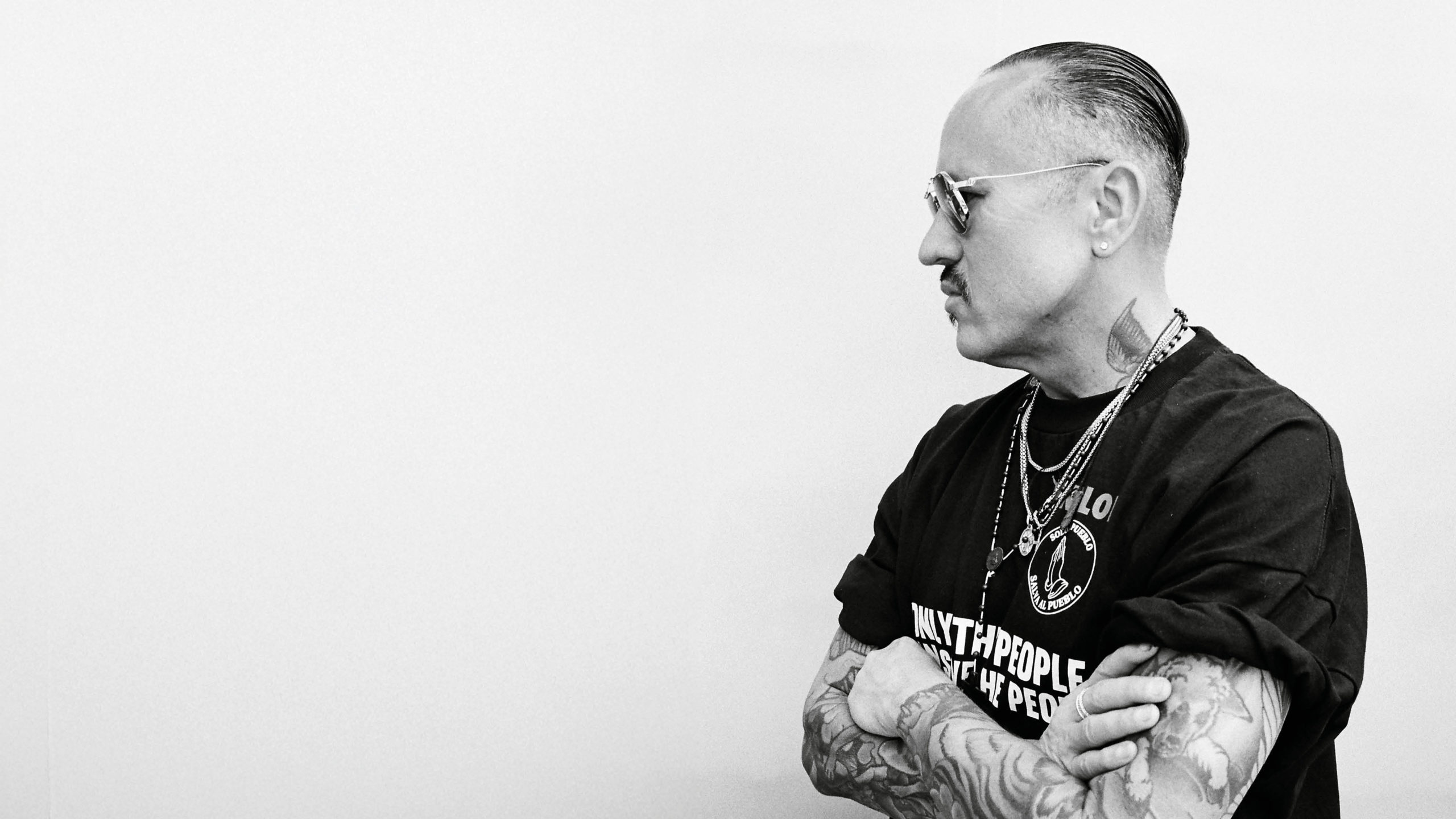
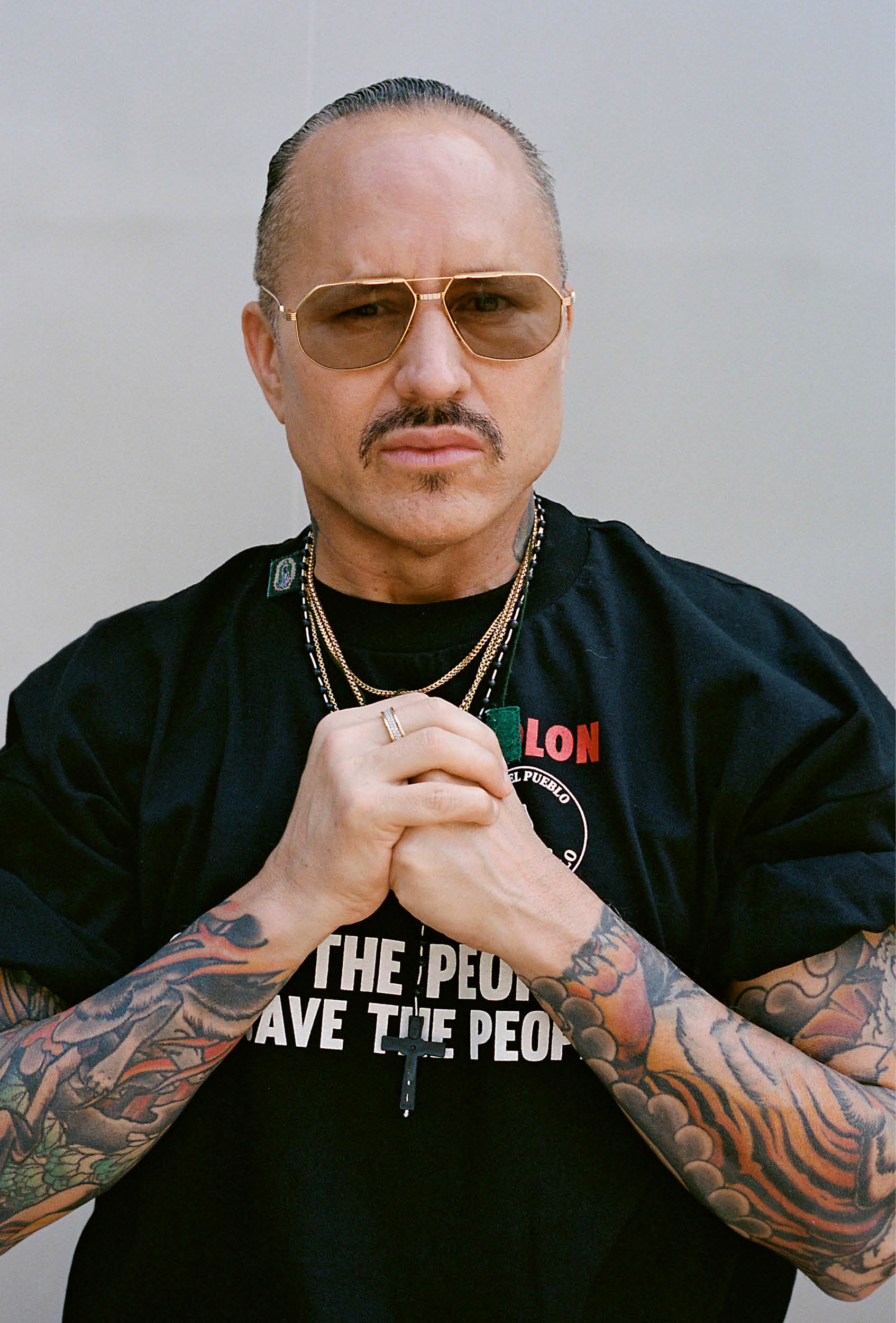
In an increasingly tense global political climate, where the voices of immigrants and marginalized communities are struggling to be heard, Willy Chavarria offers a bold and hopeful counterpoint to a fashion industry that seems to have given up on its commitments and stances. Through his clothes, this New York designer does more than just create beauty: he claims, questions and asserts. His work becomes language, his shows, manifestos. Identity, dignity, belonging: these themes are the common threads running through his collections, with a sincerity and freedom of tone that we rarely see in the fashion world. The son of an Irish-American mother and a Mexican-American father, Chavarria was born in 1967 in Huron, Fresno County, California, into a working-class immigrant family. In spite of himself, he became a daily witness to the tenacity of those who, behind the scenes, work tirelessly to build what remains of the “American dream”.
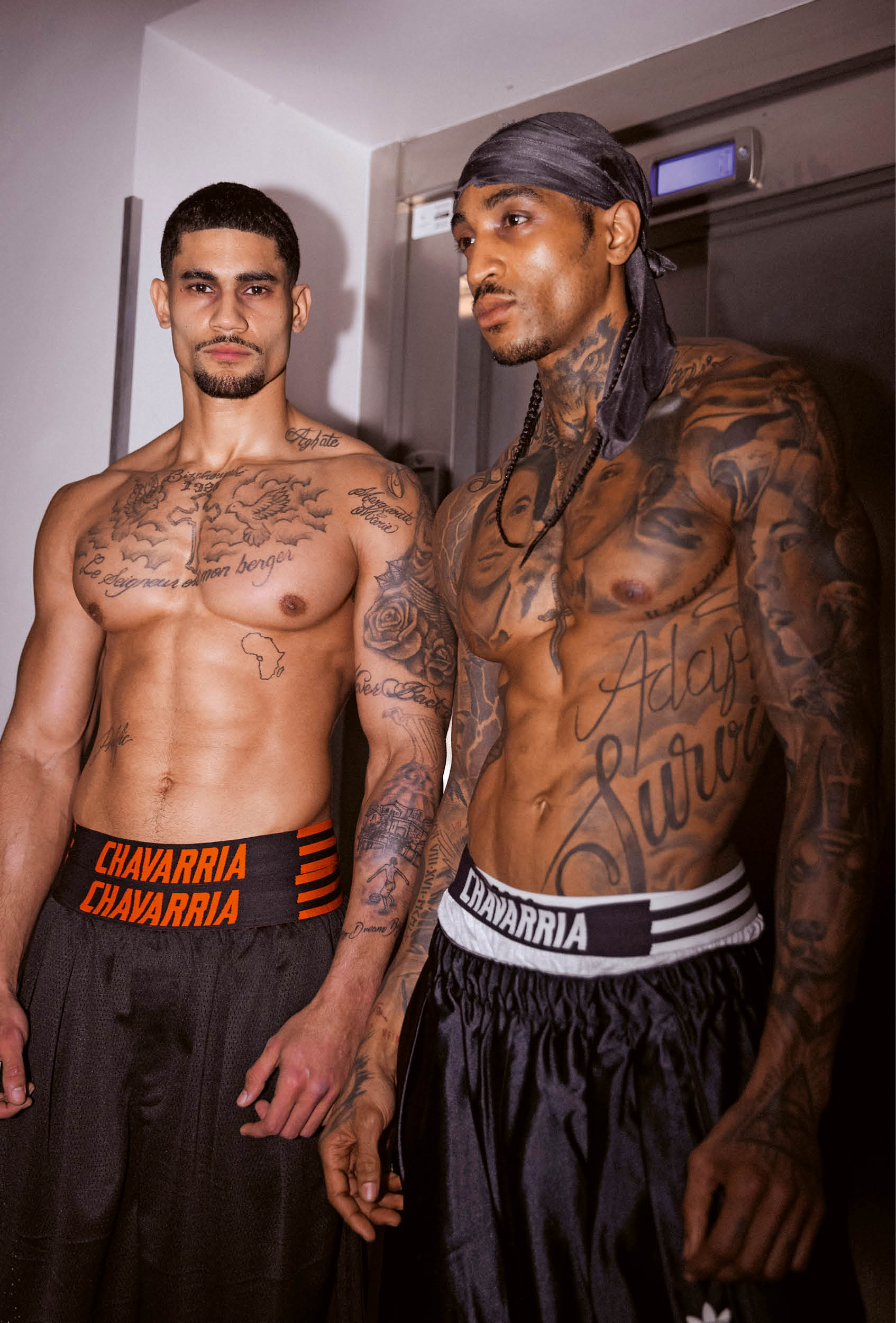
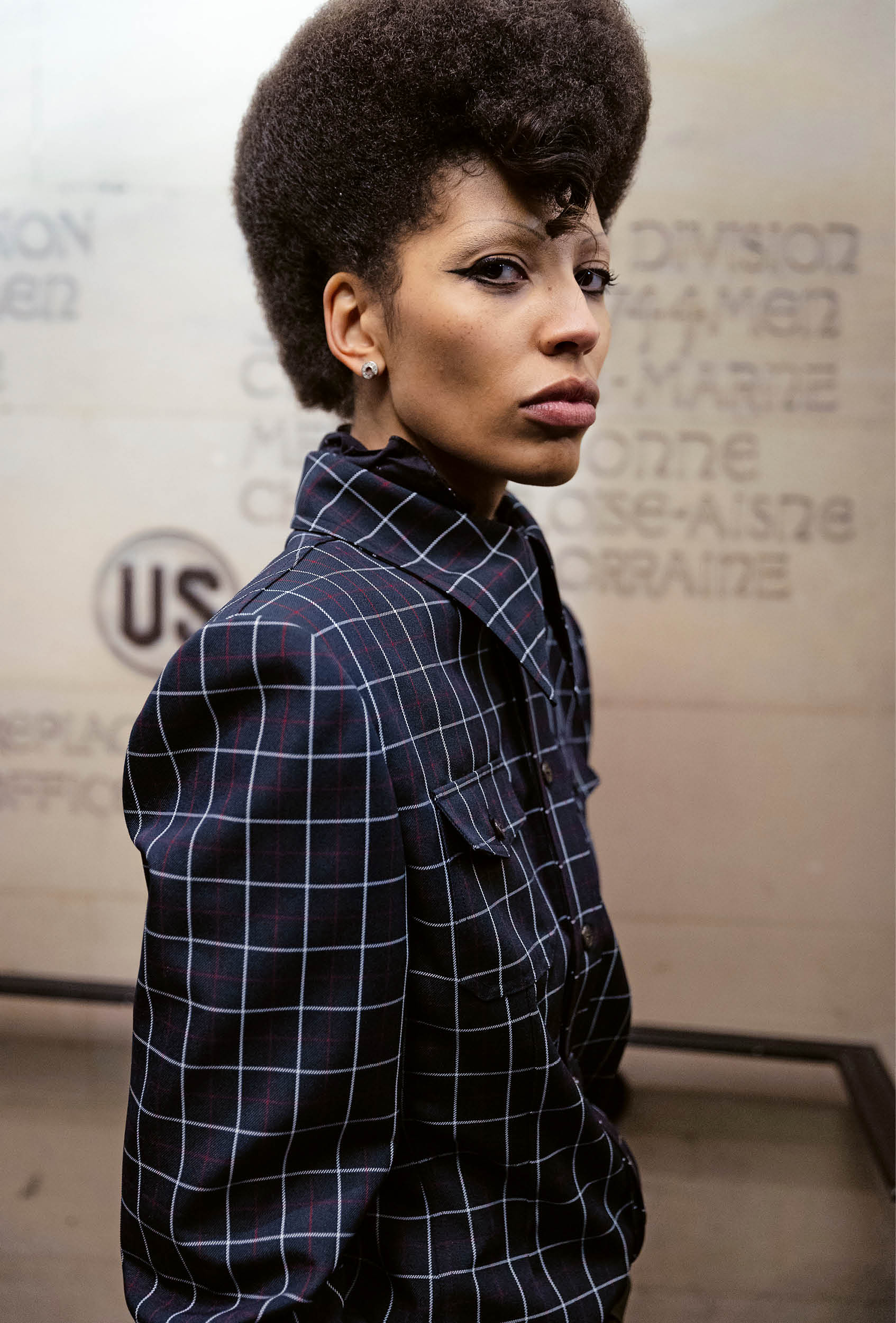
This background, from his roots, to his social milieu and his sexual orientation, would serve as a compass for Willy Chavarria to launch his eponymous brand in 2015, after living off odd jobs and working for various brands such as Ralph Lauren and American Eagle Outfitters, before being appointed Senior Vice President of Menswear Design at Calvin Klein in 2021. In just a few years, his label – whose style is a clever blend of tailoring, streetwear, deconstructed masculinity and Chicano culture (a term referring to Americans of Mexican or, more broadly, Hispano-American descent) – has established itself as the new brand to watch and wear at the New York Fashion Week. Enough to earn him several awards in just a few seasons, including the National Award for Fashion Design in 2022, and the prestigious CFDA American Menswear Designer of the Year in 2023 and 2024.
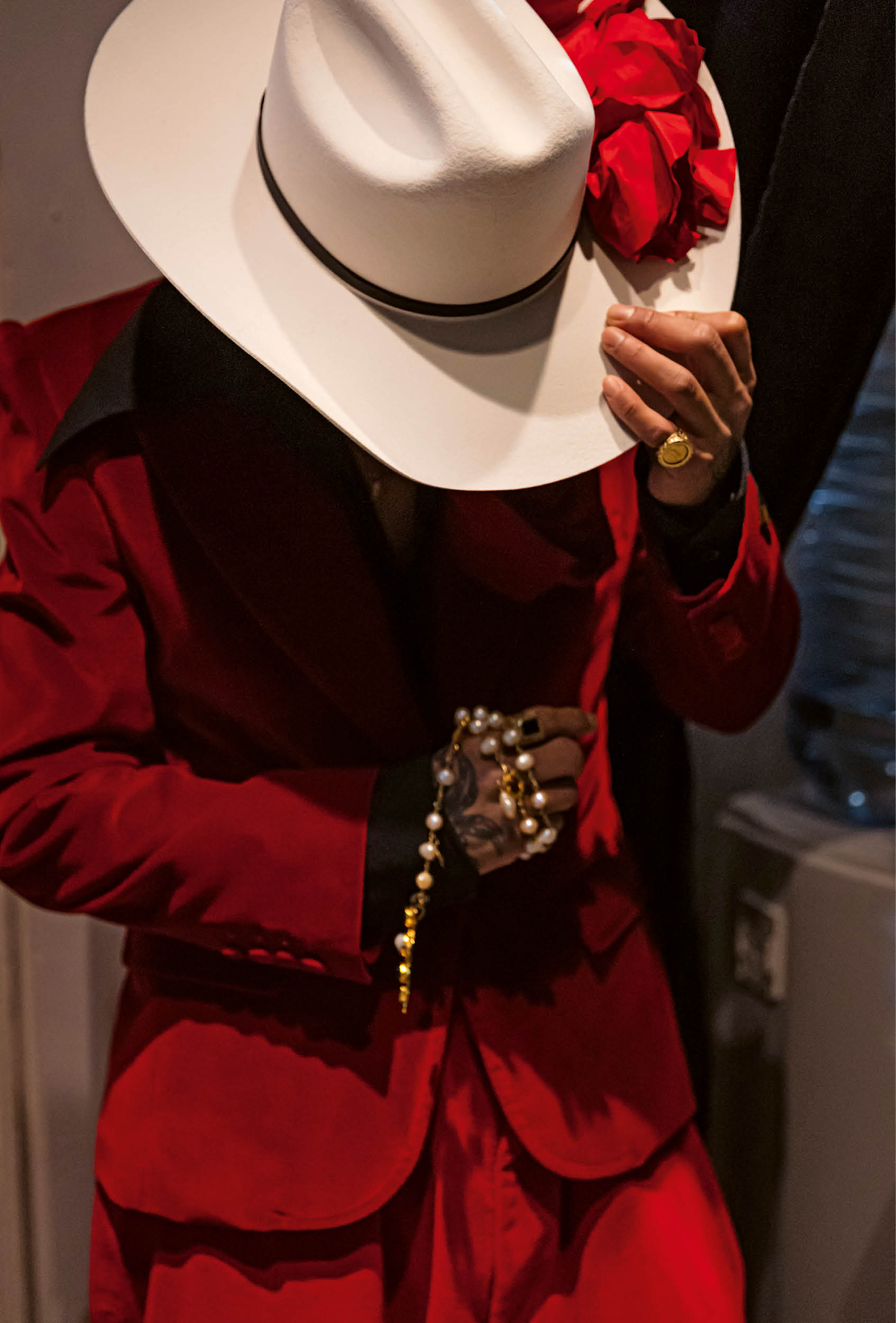
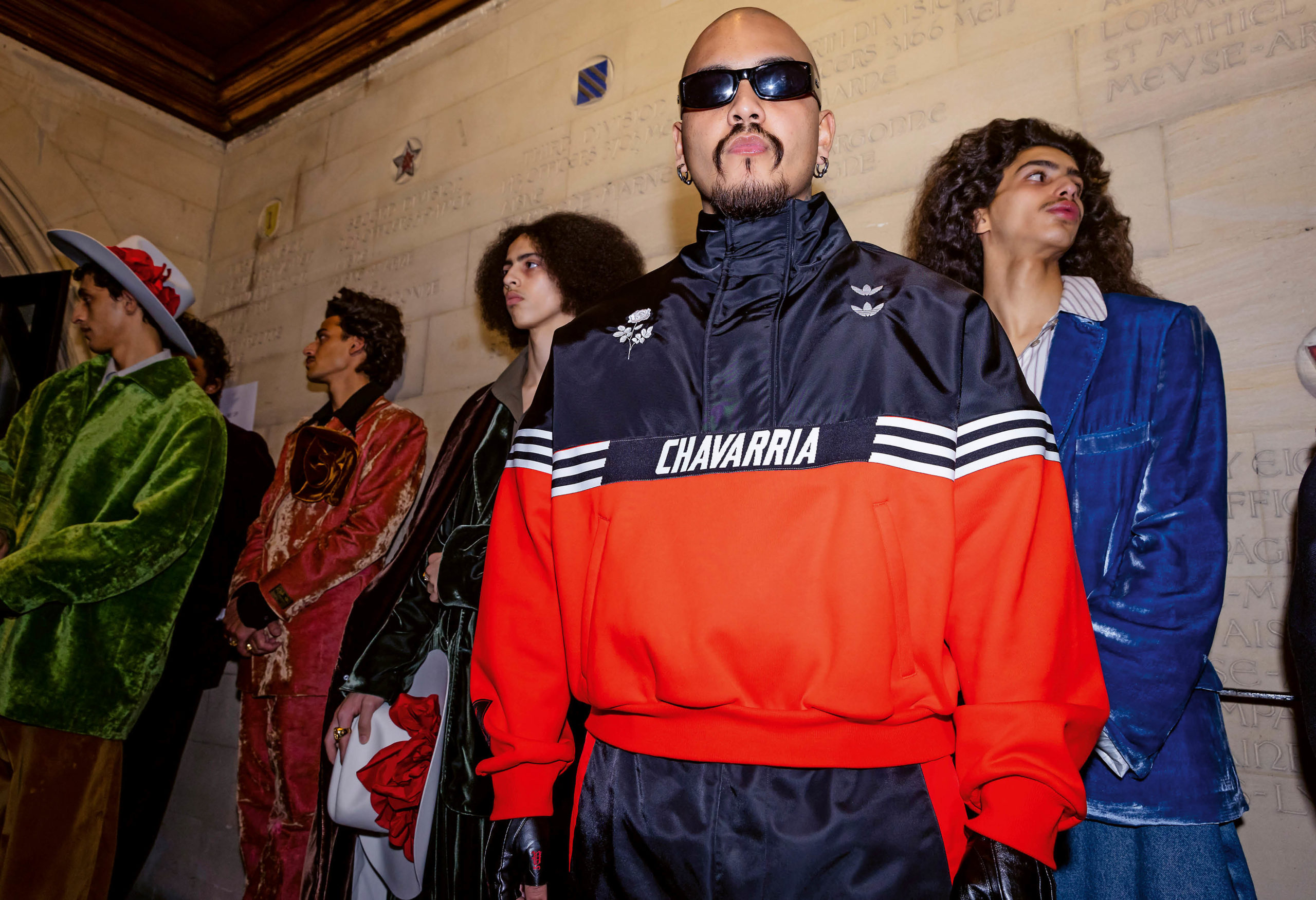
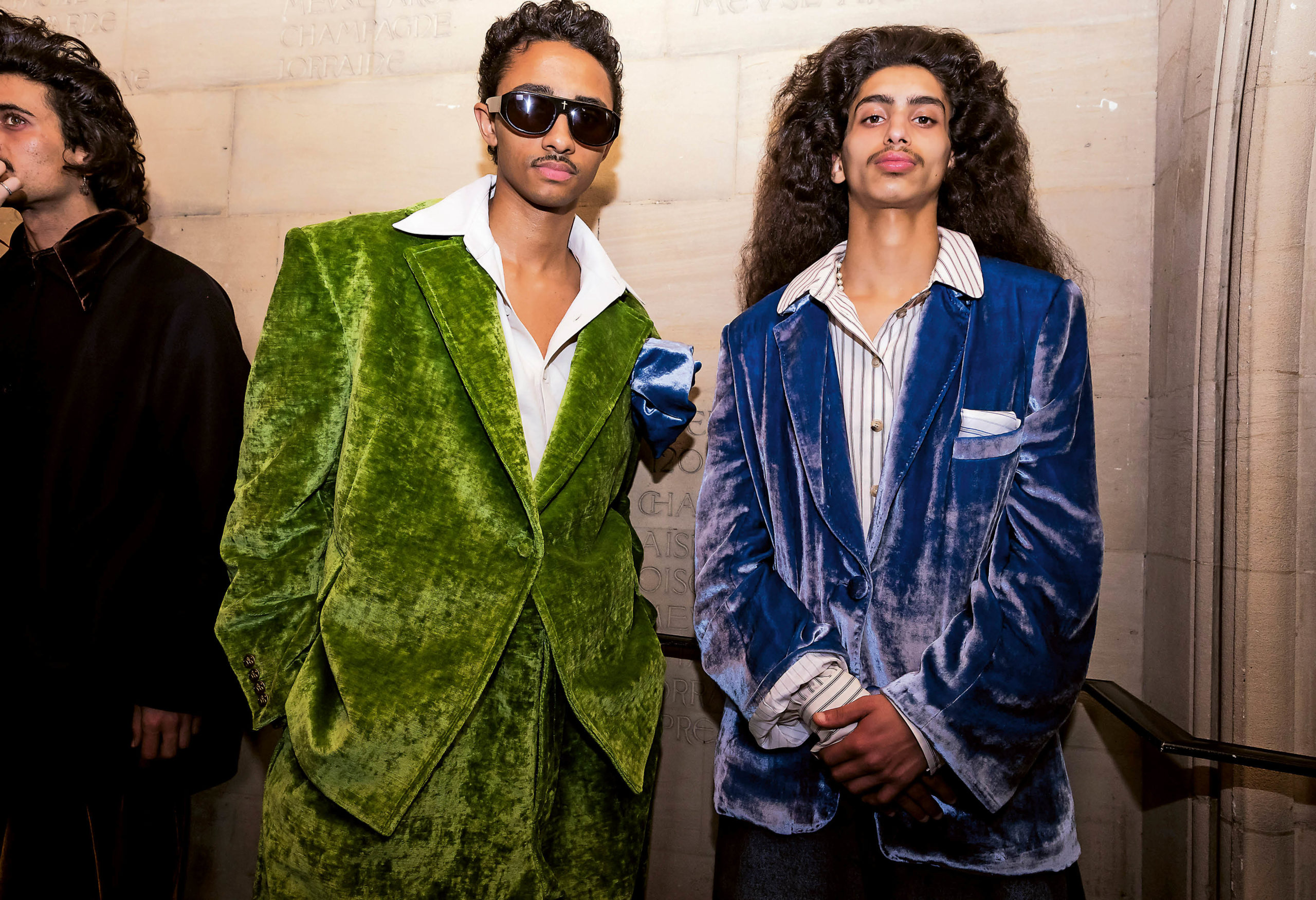
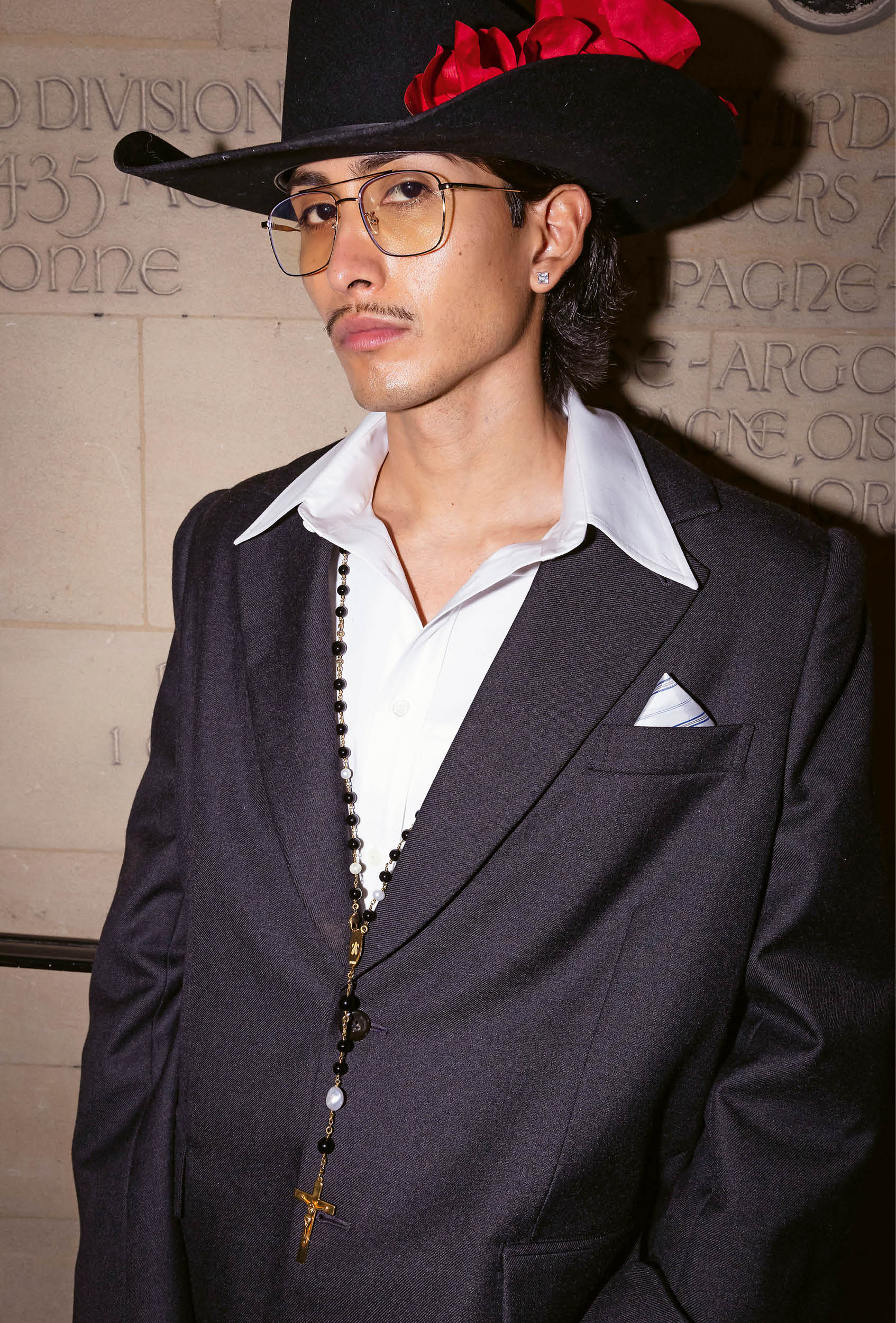
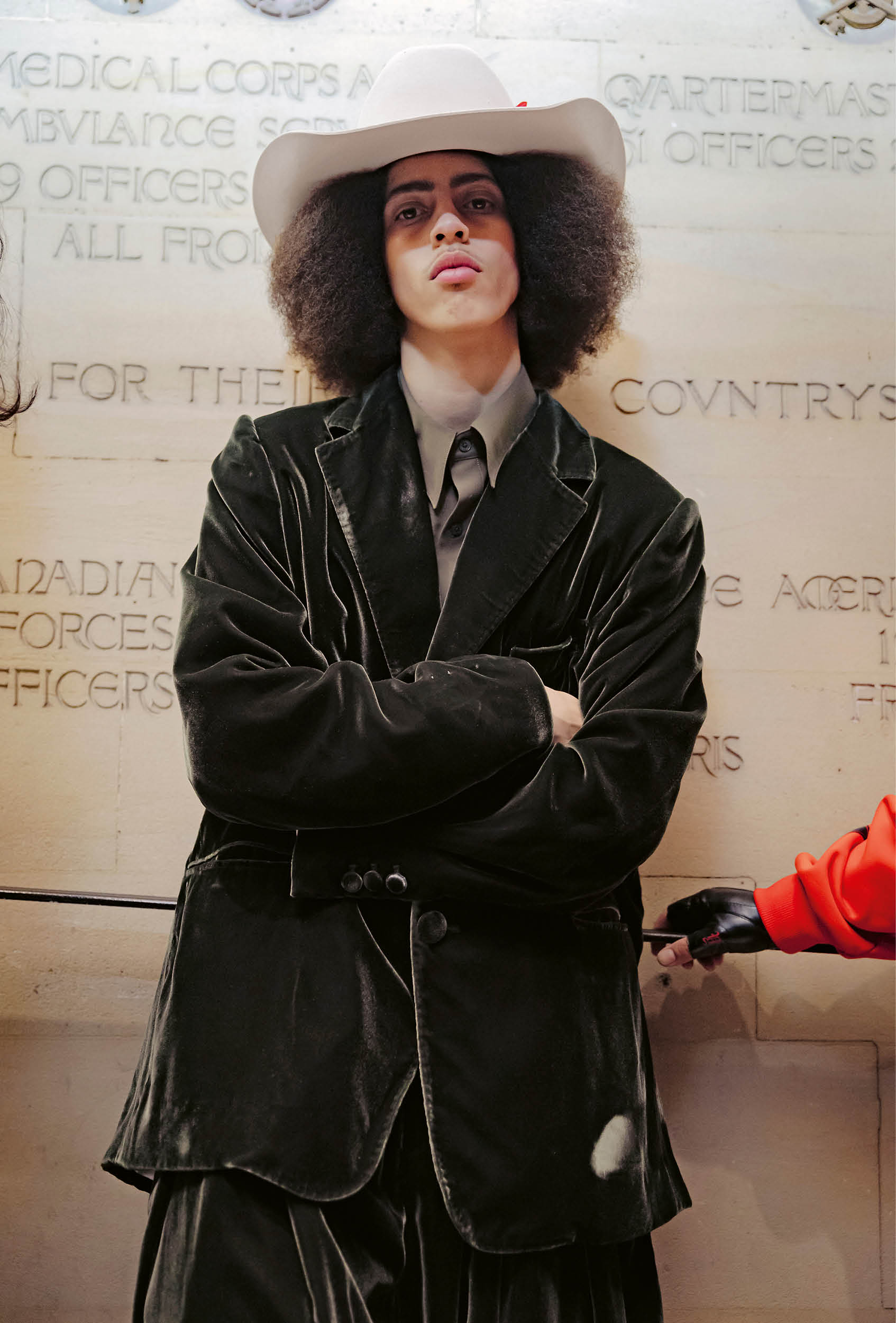
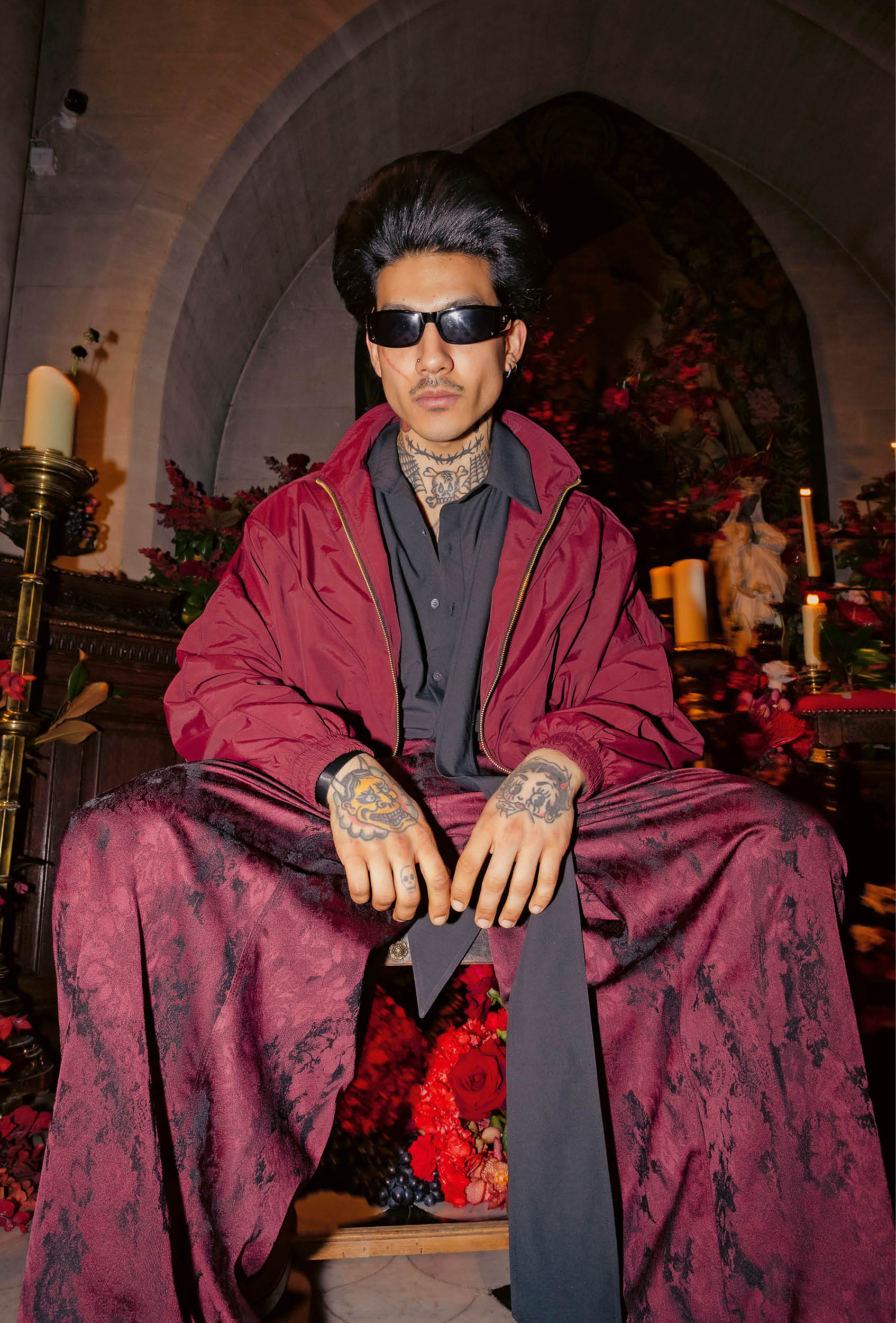
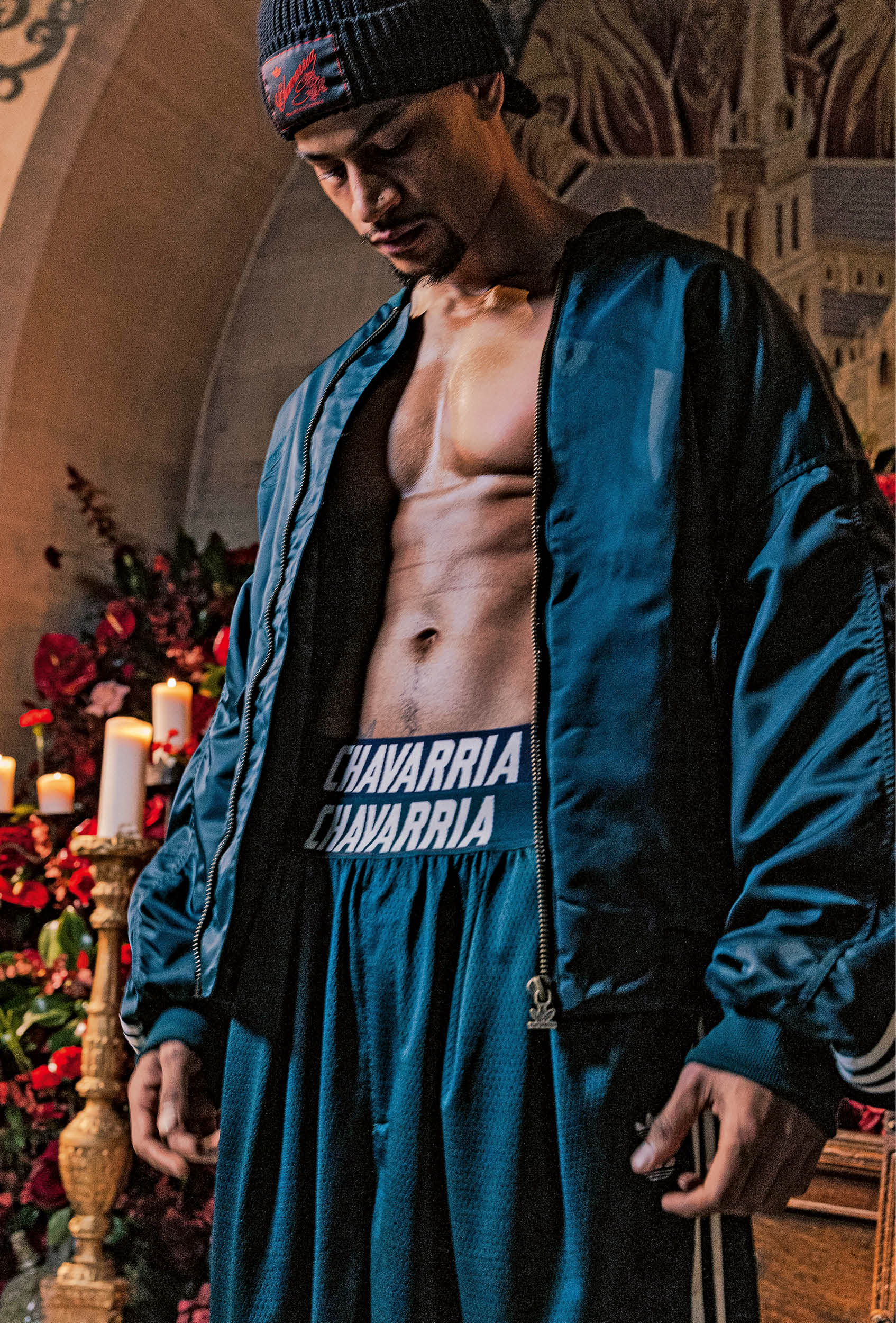
But with such widespread success, exposure and recognition, the American territory soon proved too small for his vision. And that’s why, in January 2025, the designer joined the official Paris Fashion Week calendar to present his brand’s 10th anniversary show. Held at the American Cathedral in Paris, his FW25 collection, entitled “Tarantula”, was presented as a vibrant fresco depicting a banquet and elements from Hispanic Catholic iconography; a panel inspired by the multifaceted identities of Latino men, including the pachuco (a type of Texan dandy known for his colourful, oversized suits), the gaucho (a herdsman wearing jeans and cowboy hats), and the cholo (recognisable for his streetwear inspired by Hispanic gangs in Los Angeles).
« I’m not interested in luxury as a symbol of privilege. I’m interested in it as a symbol of personal truth », said the designer at the end of this spectacular show. Enhanced by a performance from J Balvin, the show closed with a powerful finale featuring the now-famous pro-migrant and pro-LGBTQIA+ speech delivered by Washington bishop Mariann Budde at the Orange Man’s inauguration last January. In other words, Paris fashion hadn’t seen a stance as creative and political as this one in a long time. Rightly named this year in Time’s list of the 100 most influential people in the world, Willy Chavarria, who carries inside him the silent history of millions of Americans, has proved himself to be one of the most essential designers of his generation.
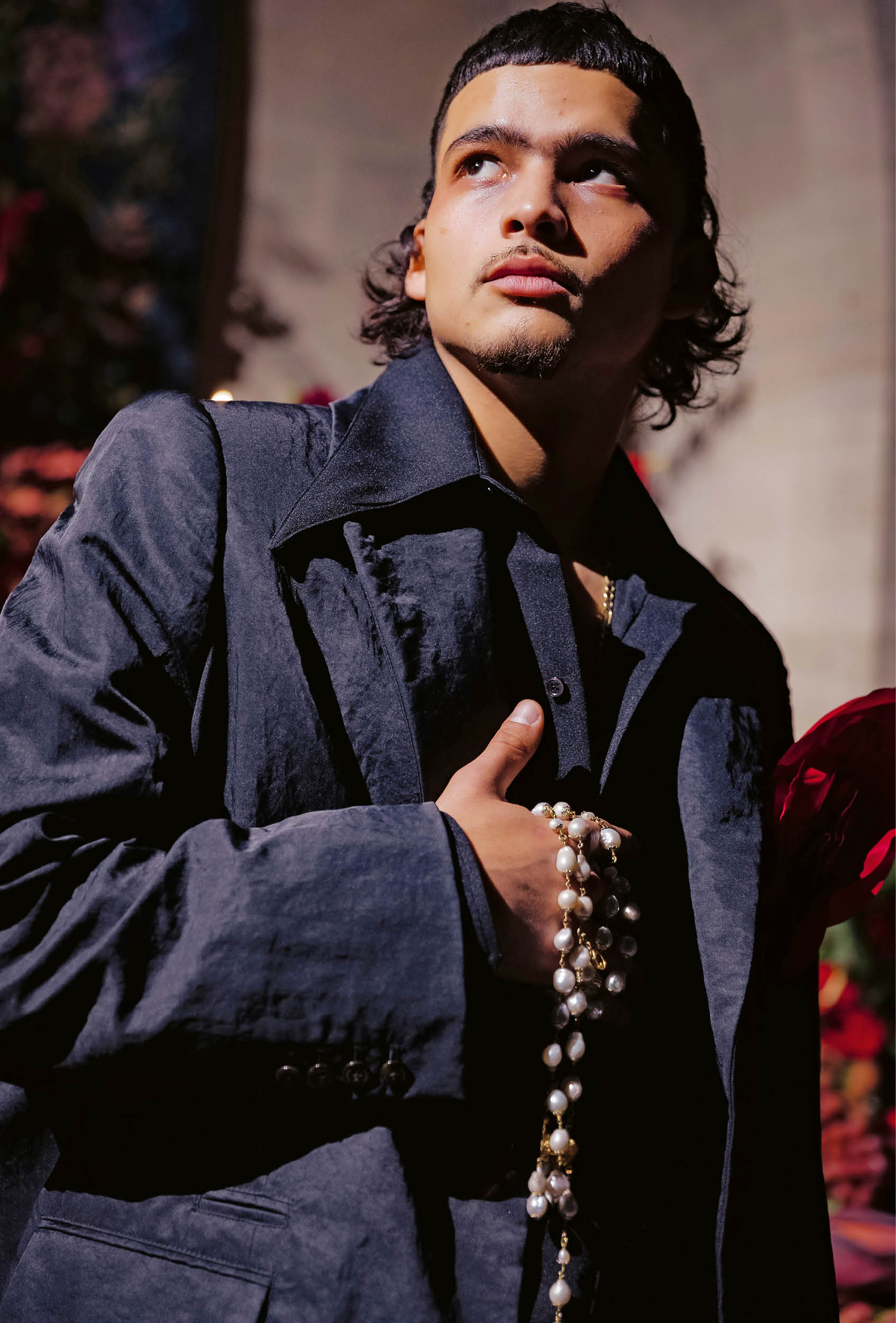
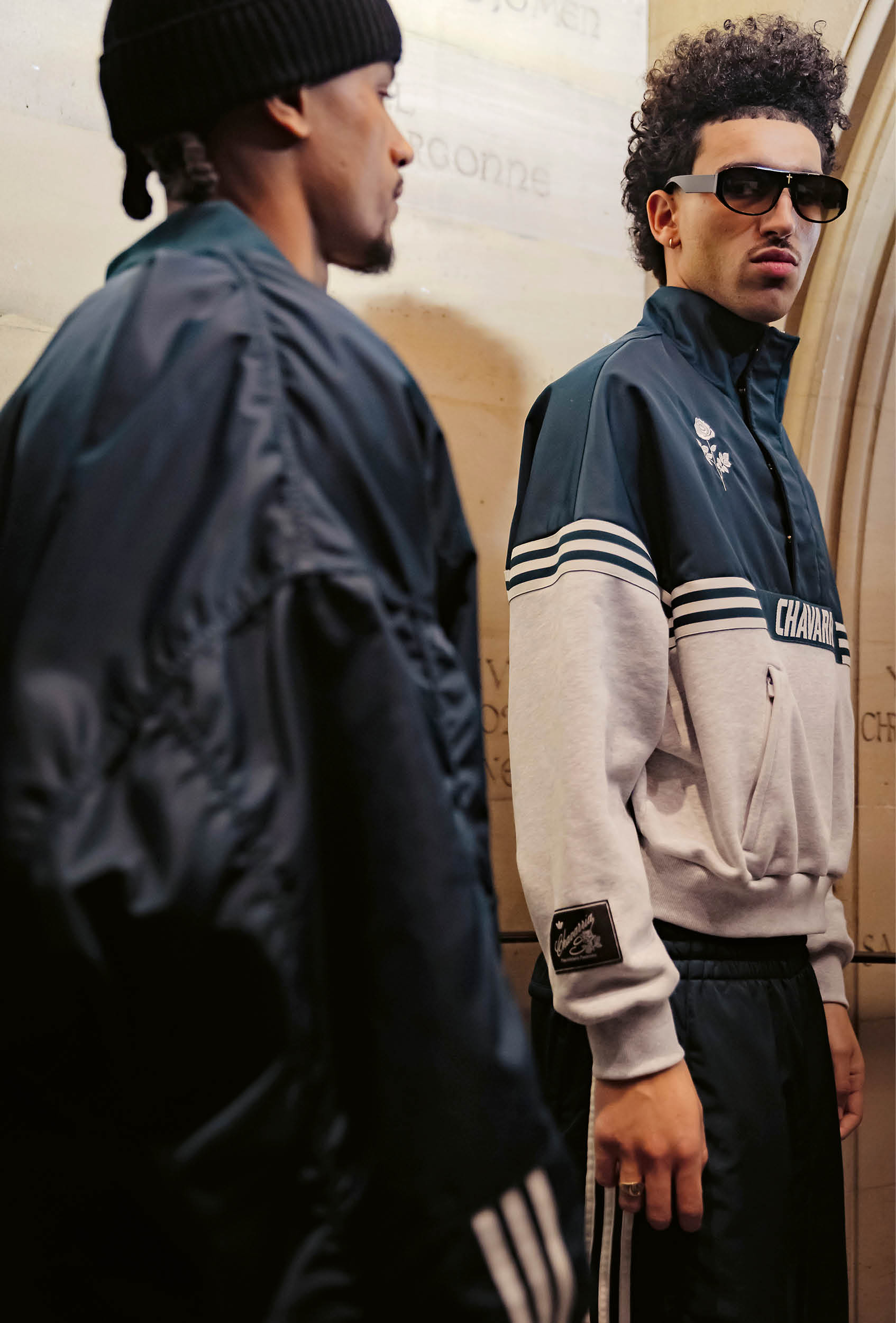
MIXTE. You recently joined the official Paris Fashion Week calendar, making your FW25 show one of the most talked-about of the season. In hindsight, how do you feel about this very first experience?
WILLY CHAVARRIA. Presenting my collection in Paris was a really memorable moment for my team and I. But while I was presenting in the French capital, I knew that I wanted to create something that truly captured the essence of the brand – something with a genuine New York feel that would also connect with people all over the world. That’s why it was very important to me to link the label’s visual identity with a powerful, universal political message. Paris was the ideal place to make my voice heard because shows here receive more publicity than anywhere else.
M. As a matter of fact, your designs are a true reflection of your queer and Mexican-American identity. How would you define Willy Chavarria’s style, and is there such a thing as Latino-queer fashion?
W. C. I don’t know if we can really talk about a Latino-queer fashion. That said, if certain aesthetic aspects of my designs seem stereotypical, it’s because they’re real. But what I want to show is something a little more surprising, something we don’t always get to see. I like portraying a rather pronounced form of masculinity for instance – because what’s usually celebrated in men is the more feminine side of their queer identity. Conversely, I also like to show a very strong form of femininity in my designs. Of course, all this doesn’t stop me from featuring transgender and non-binary models in my shows, because what I like above all is the strength that comes out of a person when they identify with a gender and embrace it fully.
M. Your shows also have strong political overtones. How do you bring all these elements together in your creative process?
W. C. When my team and I start working on a collection, we first discuss the current global climate and people’ state of mind: what they want and what they would like to see and feel. Then we listen to music and conduct some visual research. Much of our inspiration comes from historical iconography from past decades, such as the 1920s, 1940s and 1950s. This season, for example, we drew a lot of inspiration from the 1970s. Once we have these elements, everything starts to take shape.
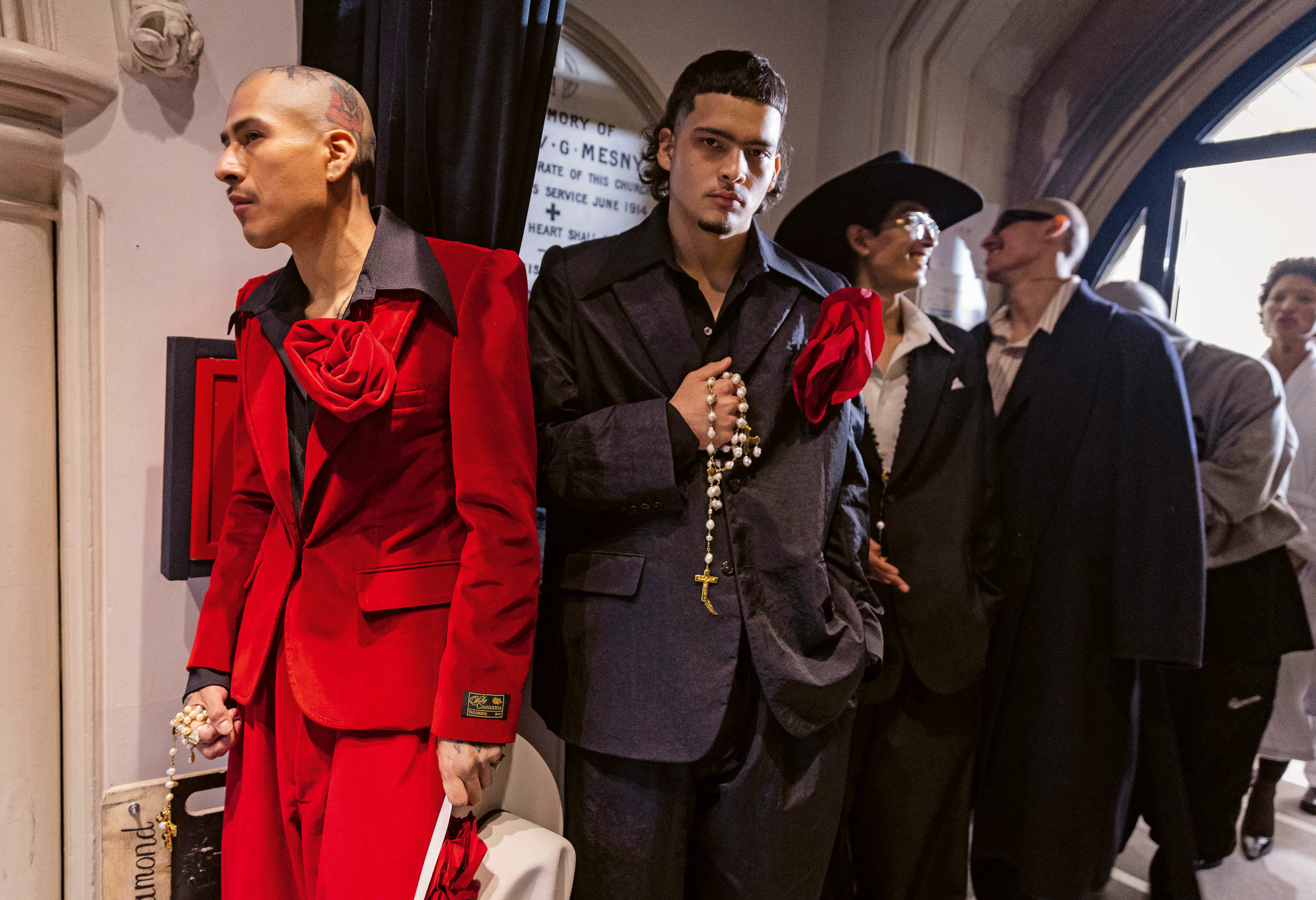
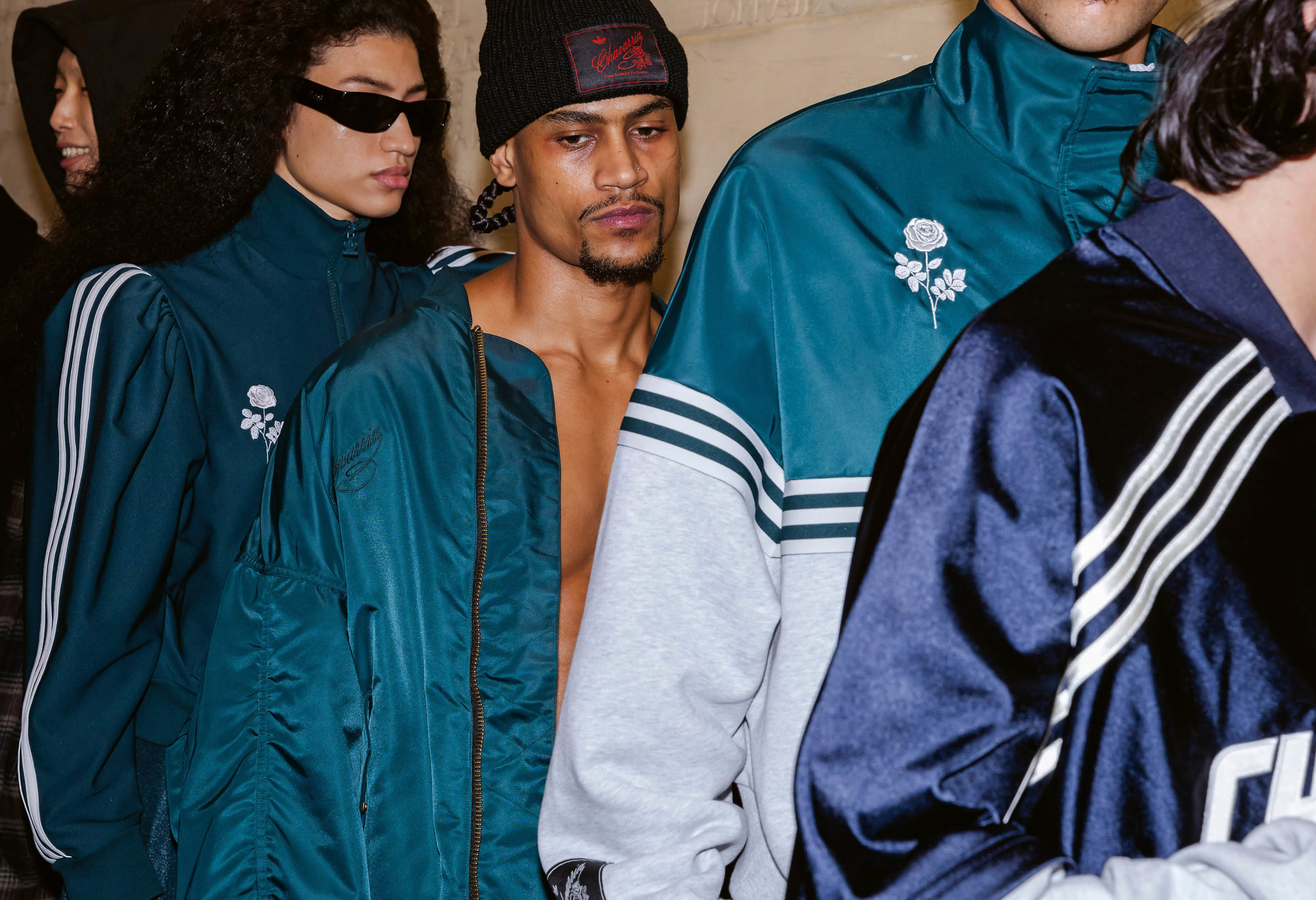
M. Is the location of your shows also a determining factor in the development of your collections?
W. C. Not necessarily.
M. Yet you chose to present this FW25 collection in the American Cathedral in Paris, a place of American culture imbued with religious references…
W. C. That’s true, but this season was special. Not only was it our first show in Paris, but it was also the brand’s tenth anniversary. The show itself was therefore very much a reflection of past seasons. The church, the silhouettes and the staging represented the culmination of the last ten years.
M. Clearly, the concept of narrative is fundamental to you. Do you see yourself as a fashion storyteller?
W. C. Absolutely. I love film as much as fashion, and I love telling stories, whatever the medium. That’s what allows me to connect with and touch people. Ultimately, I think my goal is to build relationships with people who are interested in my work. For me, forming these connections is also a way of conveying a message. A message of humanity.
M. Is there a particular story that has stayed with you, or that you regularly revisit?
W. C. I don’t have a specific story in mind… What I do know is that I’ve always loved stories with Manichaean themes. Good versus evil, sacred versus profane… I’m interested in how opposing entities coexist, and how we’re able to take care of each other in the midst of all that.
M. The T-shirt you wore at the finale of your FW25 show, bearing the message “How we love is who you are”, is a good illustration of this perspective. It echoes both Connor Yves’s viral pro-trans “Protect the Dolls”, as well as Patricio Campillo’s anti-Trump “El Golfo de México” T-shirts. Why do you think it’s important for designers to express their political views?
W. C. I’m not one to tell other people what to do because what works for me may not work for someone else. Having said that, I believe that, as designers, we have a unique opportunity to convey political messages, particularly at this juncture. We’re living in critical times, witnessing atrocities from a position of near helplessness in both the United States and the rest of the world. For me, it’s impossible to create art without acknowledging the truth about the way we live today.
M. As a queer American-Mexican citizen, how do you cope with being exposed this way at a time when fascist and reactionary discourse is becoming increasingly prevalent in public debate?
W. C. Like many queer people, I’m thick-skinned. We spend most of our adolescence and youth either coping with or fighting back against hatred, or rather armouring ourselves against it. So I think I have the advantage of being quite a strong person. However, I know I have to be careful because, at the moment, it’s very risky to tell the truth about what’s going on in the United States. We live in a time when you’re rewarded for pretending that everything’s fine. I’m aware that I’m in a high-risk position, but my priority has always been to do a good job. To be the best at what I do. So for now, I’m looking past that.
M. Do you ever lose hope or lack motivation in the face of it all?
W. C. I have to admit that I do. But what saves me is being able to talk to other people and surround myself with those who believe positive change is possible. That’s very important to me. Being involved in organisations or charities that fight against hate, such as the Human Rights Campaign or the ACLU (American Civil Liberties Union), is also very motivating.
M. You must be one of the few brands to speak out so openly today. Especially at a time when fashion seems to have permanently put aside its anti-racist and pro-LGBT+ stance.
W. C. It’s true that, in 2020, the fashion industry was able to capitalize on the widespread awareness created by the Black Lives Matter movement and the Covid-19 pandemic. It became something of a trend, with many companies getting involved and pretending to be on the right side of history. But once it went out of fashion, they quickly jumped ship. The reality is that the same mechanisms – put in place by old white men in suits – are still at work inside these companies.
M. Looking at your brand alongside other labels such as Telfar, Luar, and LaQuan Smith, would you say that a new generation of American designers is emerging, as they form their own community and begin to challenge the long-established codes of WASPy American fashion?
W. C. I’m definitely positive about that. I really think there’s a lot of creativity emerging in the United States and New York. It’s always the case that when things go wrong, creativity flourishes. Of course, you have to cherish your community, but you also have to look beyond that to pique people’s curiosity about your work. At the same time, it’s much harder to be a designer and launch a brand financially today than it was ten or fifteen years ago.
M. What do you think has made you so successful?
W. C. Setting up my label in 2015, at the age of 48! I believe that my decades of experience in the fashion industry have given me the tools to deal with any circumstance. Having worked in so many different places, learning everything from marketing and sales to distribution, costs, production planning and merchandising allowed me to develop my brand. I’m really grateful for how far I’ve come, that’s for sure. It’s also allowed me to enjoy my youth. I had a lot of fun when I was younger and I’m very happy about that because it means I get to focus on what I’m doing right now without getting sidetracked.
M. Don’t you have fun any more? Don’t you go out at all?
W. C. Yes, of course I enjoy myself, but I no longer go to nightclubs, bathhouses or cruising spots. These days, I either stay at home with my husband and dog or go out for dinner. My lifestyle is very different now, and I love it.
M. What piece of advice would you give to a young designer looking to start their own brand?
W. C. The most important thing is to find a job. Even if it’s a job you hate, you should do it for at least a year. You’ll learn a lot from it because you’ll be confronted with many real-life situations that aren’t covered in school. Many designers are perfectly capable of creating something cool or beautiful. In reality, that only represents 10% of the work.
M. If you could hold space for a story that is often ignored or overlooked, what would it be?
W. C. Well, I’m already doing that to some extent by giving a voice to the unheard. In this case, I’m talking about people who disappear: those who are sent back to their countries, denied medical care and excluded from the army and wider society. I want to tell the story of a truly egalitarian society where everyone is good and beautiful. I want us all to see each other this way; that’s what I’m hopeful for and I want to change the course of fashion to make that possible.
M. How can this change be brought about?
W. C. Firstly, by acting more humanely through sales, art, and what we create, or through the stories we tell. Fashion is followed by more people than ever before in history. It influences and inspires so many people. It’s a fantastic platform available to us and I hope we can make good use of it
M. What would you like to be remembered for?
W. C. I hope that people will remember the brand more than they remember me, because it bears my name – which I sometimes regret because it’s actually a collective effort. All of my team’s ideas and creativity are equally valuable. Ultimately, I hope that, once I’m gone, the brand’s legacy will live on far beyond me.
This article was originally published in our STORYTELLERS issue, Fall-Winter 2025 (out September 23rd 2025).